
Varalakshmi Vratham Pooja Vidhanam in Telugu: A Comprehensive Plan
Numerous online resources offer the Varalakshmi Vratham Pooja Vidhanam in Telugu as downloadable PDFs, detailing the rituals․ These guides, often exceeding 15MB, provide comprehensive instructions for devotees seeking a detailed, step-by-step approach to performing this sacred vratham․
Several websites host these Telugu eBooks, alongside other religious texts and mobile applications, facilitating easy access to the pooja procedures․ Resources include detailed books like “Varalakshmi Vratam Book PDF in Telugu” and “Sri Varalakshmi Vratham Pooja Vidhanam In Telugu”․
These PDFs often include the complete pooja vidhanam, encompassing everything from kalasha sthapana to prasadam distribution, ensuring a thorough understanding of the traditions and practices associated with this auspicious occasion․
Varalakshmi Vratham is a highly revered festival primarily celebrated by women in Andhra Pradesh and Telangana, deeply rooted in Telugu culture․ It’s dedicated to Varalakshmi, a form of Goddess Lakshmi, believed to bestow prosperity, abundance, and good fortune upon her devotees․ The festival typically falls on the Friday (Sukravaram) in the month of Shravana, often coinciding with the full moon․
The core of the celebration revolves around a meticulously performed pooja (ritual worship), the detailed procedures for which are readily available in Telugu as downloadable PDF guides․ These resources, like “Sri Varalakshmi Vratham Pooja Vidhanam In Telugu”, offer a comprehensive understanding of the vratham’s significance and the steps involved․
The vratham is undertaken to seek blessings for the well-being of the family, particularly the husbands, and to ensure marital happiness and longevity․ The PDF materials often emphasize the importance of performing the pooja with utmost devotion and adherence to traditional customs, ensuring the Goddess’s grace is attained․ It’s a celebration of feminine power and a heartfelt expression of gratitude towards the divine mother․
The Significance of Shravana Maasam
Shravana Maasam, a sacred month in the Hindu calendar, holds immense spiritual significance, particularly for devotees of Lord Shiva and Goddess Parvati․ It’s considered an auspicious time for undertaking religious observances, performing pujas, and seeking divine blessings․ The month is believed to be highly conducive to spiritual growth and purification․
The Varalakshmi Vratham is specifically observed during Shravana Maasam, often on the Friday following the full moon, amplifying its potency․ Many Telugu-speaking communities consider this timing crucial, believing the Goddess is particularly receptive to prayers during this period․ Detailed PDF guides, such as those detailing the “Varalakshmi Vratham Pooja Vidhanam”, emphasize this timing․
The availability of comprehensive pooja vidhanam in Telugu PDF format allows devotees to meticulously follow the prescribed rituals for Shravana Maasam․ This month is seen as a time for heightened devotion, fasting, and charitable activities, all aimed at pleasing the deities and attaining spiritual merit․ The sacredness of Shravana Maasam elevates the significance of the vratham manifold․
Who Performs the Vratham?
The Varalakshmi Vratham is predominantly performed by married women, seeking blessings for their husbands’ well-being, longevity, and prosperity․ It’s a deeply rooted tradition within Telugu-speaking communities, symbolizing marital happiness and family welfare․ However, unmarried women can also participate, praying for a suitable life partner and a blessed future․
The pooja vidhanam, readily available in Telugu PDF guides, is accessible to all women regardless of age, though it’s most commonly observed by those who are married․ These resources detail the specific rituals and mantras suitable for different participants․ The Vratham is a collective endeavor, often performed by groups of women in homes or temples․
The detailed instructions within the PDFs ensure that anyone interested can learn and participate correctly․ While traditionally a women’s ritual, the blessings sought are for the entire family․ The Vratham is a testament to the power of collective prayer and devotion, fostering a sense of community and shared faith․
Materials Required for the Pooja

The Varalakshmi Vratham pooja necessitates a comprehensive collection of materials, meticulously outlined in Telugu PDF guides detailing the pooja vidhanam․ Essential items include a kalasha (pot), typically made of brass or silver, and various fruits, flowers, and sweets for offerings – the naivedyam․
These PDFs specify the need for turmeric powder, kumkum (vermilion), sandalwood paste, and incense sticks, alongside cotton wicks and oil for the deepam (lamp)․ A Varalakshmi idol, often made of clay or metal, is central to the pooja․ Panchamrutam (a mixture of five ingredients) is also crucial․
Detailed lists within the downloadable resources also include requirements for specific leaves (like betel leaves), coins, and threads for tying around the kalasha․ The PDFs ensure devotees have a complete understanding of the necessary items, facilitating a smooth and accurate performance of the sacred rituals․
Preparing the Pooja Space (Cleanliness & Decorations)
Telugu PDF guides on Varalakshmi Vratham Pooja Vidhanam emphasize the paramount importance of a meticulously clean and beautifully decorated pooja space․ Before commencing the rituals, the area must be thoroughly cleansed, symbolizing purity and inviting divine presence․
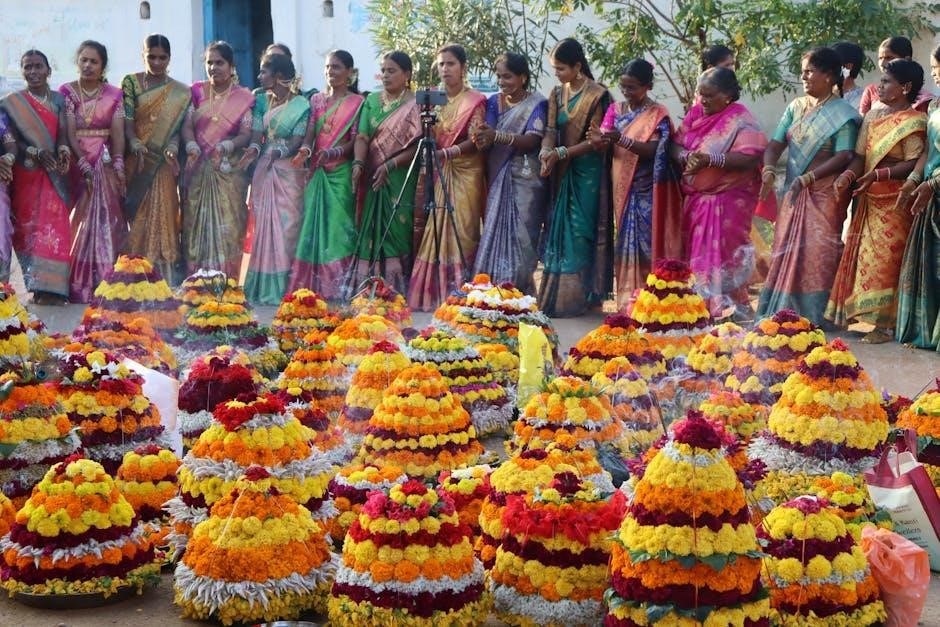
These PDFs detail the tradition of washing the floor with turmeric water, creating a sacred and hygienic environment; Decorations typically involve colorful rangoli designs (muggu) at the entrance and around the pooja platform․ Floral arrangements, particularly marigolds and jasmine, are integral to the aesthetic․
The PDF resources often suggest using new cloth to cover the pooja table, enhancing its sanctity․ Proper lighting is also crucial, with the placement of lamps (deepam) to illuminate the space․ The overall aim, as detailed in the guides, is to create a serene and auspicious atmosphere conducive to devotion․

The Varalakshmi Idol – Selection & Placement
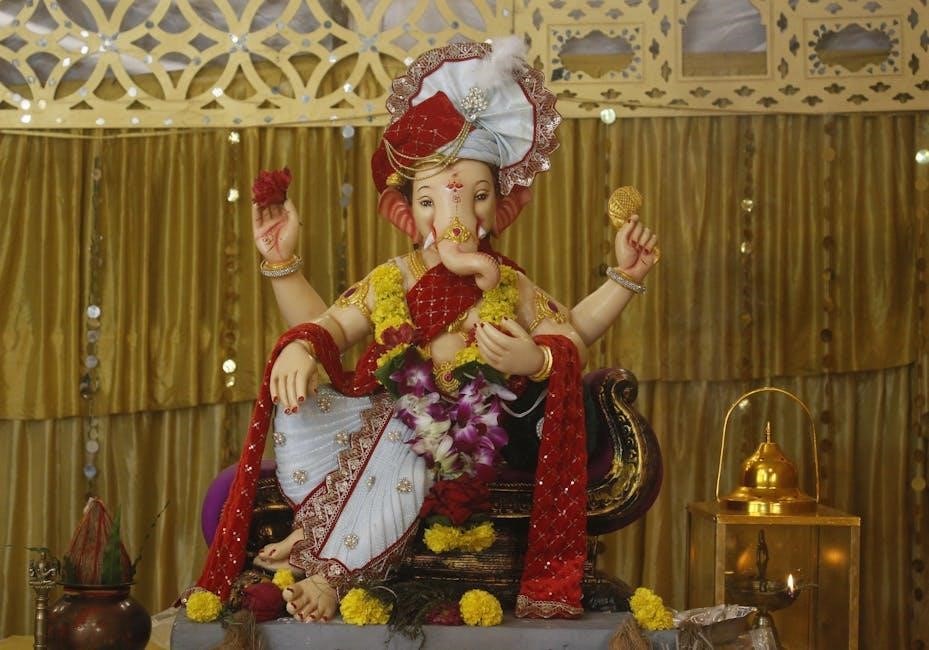
Varalakshmi Vratham Pooja Vidhanam PDFs in Telugu meticulously describe the selection and placement of the Goddess Varalakshmi’s idol․ Traditionally, the idol is made of silver, gold, or clay, representing purity and auspiciousness․ The idol should depict Varalakshmi with eight hands (Ashtalakshmi), symbolizing her eight forms of wealth and prosperity․
These PDF guides emphasize the importance of obtaining an idol that is aesthetically pleasing and radiates positive energy․ Placement is crucial; the idol is typically installed on a raised platform (pedda) covered with a new cloth․
The PDFs detail the ritual of placing the idol facing north or east, considered auspicious directions․ Surrounding the idol with flowers, especially lotus blossoms, and offering traditional ornaments further enhances the sanctity of the setup․ Proper placement, as outlined in the PDFs, is believed to invite blessings and fulfill devotees’ wishes․
Kalasha Sthapana (Establishing the Pot)
Varalakshmi Vratham Pooja Vidhanam PDFs in Telugu dedicate significant detail to Kalasha Sthapana, the establishment of the sacred pot․ This ritual is considered foundational to the entire pooja․ The PDFs instruct using a new, unblemished clay pot, symbolizing the universe․

The pot is filled with water, rice, coins, mango leaves, betel nuts, and a coconut on top, representing abundance and prosperity․ A red cloth is tied around the pot’s neck, signifying energy and protection․ The PDFs emphasize chanting specific mantras during this process․
Placement of the Kalasha is vital; it’s positioned near the Varalakshmi idol, often on a plate․ The PDFs illustrate the correct orientation and the importance of maintaining the pot’s purity throughout the vratham․ This meticulous process, as detailed in the PDFs, is believed to invoke divine blessings and create a sacred space for the pooja․
Naivedyam Preparation (Food Offerings)
Varalakshmi Vratham Pooja Vidhanam PDFs in Telugu extensively cover Naivedyam preparation, the offering of food to the Goddess․ These guides emphasize that Naivedyam represents gratitude and devotion․ Traditional offerings include pongal, payasam (sweet pudding), fruits, and various sweet preparations․
The PDFs provide detailed recipes for these dishes, specifying ingredients and cooking methods․ It’s crucial, according to the PDFs, that the food is prepared with utmost cleanliness and devotion, avoiding any form of contamination․
Offerings are typically arranged on a thali (plate), adorned with turmeric and kumkum․ The PDFs instruct on the proper sequence of offering each item, accompanied by specific mantras․ The PDFs also highlight the importance of offering fresh, homemade Naivedyam, symbolizing sincerity and heartfelt reverence to Varalakshmi Devi․
Pooja Vidhanam – Step-by-Step Procedure
Varalakshmi Vratham Pooja Vidhanam PDFs in Telugu meticulously outline the step-by-step pooja procedure․ These guides begin with purification rituals, followed by the placement of the kalasha and the idol of Goddess Varalakshmi․ The PDFs detail the precise order of mantras to be chanted during each stage of the pooja․
The PDFs emphasize the importance of dhyana (meditation) and invocation, setting a sacred atmosphere․ Detailed instructions are provided for offering flowers, incense, and performing harati with a lit lamp․ The PDFs also specify the number of times each mantra should be repeated for optimal results․
Crucially, the PDFs guide devotees through the recitation of the Varalakshmi Katha (story), considered integral to the vratham․ They also provide guidance on Pradosham Kala Pooja, a special pooja performed during twilight, ensuring a complete and auspicious observance․
Invocation & Dhyana
Varalakshmi Vratham Pooja Vidhanam PDFs in Telugu dedicate significant attention to the initial stages of invocation and dhyana (meditation)․ These guides emphasize establishing a serene and sacred atmosphere before commencing the pooja․ The PDFs provide specific mantras for invoking Goddess Varalakshmi, requesting her divine presence and blessings․
Detailed descriptions of the Goddess’s form and attributes are included, aiding devotees in focused meditation․ The PDFs often suggest visualizing Goddess Varalakshmi seated on a lotus, adorned with jewels, and radiating auspicious energy․ This visualization is considered crucial for deepening devotion․
The PDFs guide practitioners through a series of mental prayers and affirmations, fostering a connection with the divine․ They stress the importance of a pure heart and sincere intention during this phase, setting the foundation for a successful and spiritually fulfilling vratham․
Mantras Chanting (Key Mantras)
Varalakshmi Vratham Pooja Vidhanam PDFs in Telugu meticulously list key mantras essential for the pooja․ These PDFs provide transliterations and meanings, enabling devotees to chant with understanding and devotion․ The Ashtalakshmi Stotram is prominently featured, praising the eight forms of Lakshmi, with specific verses dedicated to Varalakshmi․
The Sri Suktam and Purusha Suktam are also commonly included, considered highly auspicious for invoking prosperity and well-being․ PDF guides often emphasize correct pronunciation, as it’s believed to amplify the mantra’s power․
Specific mantras for each stage of the pooja are detailed, from kalasha sthapana to offering naivedyam․ Some PDFs offer variations of mantras, allowing devotees to choose based on their preference and tradition․ Repetition of these mantras is considered vital for achieving the desired blessings․
Offering of Flowers & Incense
Varalakshmi Vratham Pooja Vidhanam PDFs in Telugu dedicate significant detail to the offering of flowers and incense, outlining specific types considered most auspicious․ Red hibiscus, jasmine, and lotus flowers are frequently recommended for their symbolic association with Lakshmi, representing beauty, purity, and prosperity․
The PDFs emphasize offering flowers with clean hands and a sincere heart, visualizing the goddess accepting the offering․ Incense, particularly sandalwood or fragrant varieties, is used to purify the atmosphere and create a divine ambiance․
Detailed instructions often specify the sequence of offerings – incense first, followed by flowers – and the accompanying mantras to be chanted․ Some guides suggest arranging flowers in a specific pattern around the idol․ The PDFs also mention the importance of using fresh, vibrant flowers, symbolizing life and devotion․
Harati & Deepam
Varalakshmi Vratham Pooja Vidhanam PDFs in Telugu meticulously describe the Harati and Deepam rituals, integral to honoring Goddess Lakshmi․ Harati, the waving of lit lamps, symbolizes dispelling darkness and ignorance, welcoming light and knowledge․ The PDFs often specify the number of times to wave the lamp – typically three or five – while chanting specific mantras․
The Deepam, or oil lamp, represents the divine presence of the goddess․ Instructions detail the type of oil to use (often sesame or ghee) and the placement of the lamp before the idol․ PDF guides emphasize the importance of a steady flame, symbolizing unwavering devotion․
Detailed procedures outline the accompanying mantras and prayers recited during both Harati and Deepam․ Some PDFs suggest using a camphor flame for Harati, its fragrant smoke further purifying the surroundings and signifying surrender․
The Importance of the Story (Katha)
Varalakshmi Vratham Pooja Vidhanam PDFs in Telugu consistently highlight the central role of the Katha, or story, in the ritual․ The narrative recounts the glory of Goddess Lakshmi and her blessings upon devoted worshippers․ These PDFs often include the complete Telugu text of the Katha, enabling accurate recitation during the pooja․
The story typically narrates the tale of a devoted woman who, through her unwavering faith and observance of the vratham, receives immense prosperity and blessings from the goddess․ It serves as an inspiring example for all devotees․
Many PDF guides emphasize that listening to or reading the Katha is crucial for the complete fulfillment of the vratham’s benefits․ The Katha isn’t merely a recounting of events; it’s believed to invoke the goddess’s presence and grace․ Some PDFs provide explanations of the story’s symbolism and moral lessons․
Performing the Pradosham Kala Pooja
Varalakshmi Vratham Pooja Vidhanam PDFs in Telugu detail the significance of performing a special pooja during Pradosham Kala – the twilight hour between sunset and night․ This time is considered highly auspicious for worshipping Lord Shiva and Goddess Parvati, enhancing the potency of the Varalakshmi Vratham․
These PDF guides specify that the Pradosham Kala Pooja involves additional offerings and mantras recited specifically during this period․ It often includes a dedicated harati and the chanting of specific Shiva mantras alongside the Lakshmi mantras․
The PDFs emphasize that performing the pooja within the precise timings of Pradosham Kala is vital for maximizing the benefits of the vratham․ Some guides provide tables indicating the exact timings based on the lunar calendar․ Devotees are encouraged to prepare for this segment in advance, ensuring all necessary materials are readily available․
Distribution of Prasadam
Varalakshmi Vratham Pooja Vidhanam PDFs in Telugu meticulously outline the prasadam distribution process, emphasizing its sacredness․ After the pooja and the completion of the katha, the offered food – naivedyam – becomes prasadam, blessed by the Goddess․
These PDF guides detail the proper way to distribute the prasadam amongst family members and guests, often starting with the eldest and proceeding in a specific order․ It’s considered essential to offer prasadam with reverence and a pure heart․
The PDFs frequently include recipes for traditional naivedyam items, such as pongal, payasam, and various sweet and savory dishes․ They also advise against consuming the prasadam immediately, allowing others to partake first․ Distributing prasadam symbolizes sharing the Goddess’s blessings with all․
Vrata Completion & Dismantling the Setup
Varalakshmi Vratham Pooja Vidhanam PDFs in Telugu provide detailed instructions for concluding the vratham and respectfully dismantling the pooja setup․ Following the prasadam distribution, devotees express gratitude to Goddess Varalakshmi for her blessings and the successful completion of the ritual․
These PDF guides outline the proper method for removing the kalasha and other pooja items, often advising a specific time for this process․ The water from the kalasha is typically poured onto a tulsi plant or other sacred greenery․
The PDFs emphasize the importance of disposing of the used pooja materials respectfully, often suggesting immersion in a flowing water body․ The idol of Goddess Varalakshmi is carefully stored for future use․ This concluding phase signifies the end of the sacred observance and a return to daily life, enriched by the Goddess’s grace․
Varalakshmi Vratham in Telugu – PDF Resources
Numerous online platforms offer comprehensive Varalakshmi Vratham Pooja Vidhanam guides in Telugu, readily available as downloadable PDFs․ These resources cater to devotees seeking detailed, step-by-step instructions for performing the vratham according to traditional practices․
Websites specializing in Telugu eBooks and religious texts host these PDFs, including titles like “Sri Varalakshmi Vratham Pooja Vidhanam In Telugu” and “Varalakshmi Vratam Book PDF”․ These documents often exceed 16MB in size, containing extensive information․
These PDF resources typically cover all aspects of the pooja, from preparing the pooja space and selecting the idol to chanting mantras and preparing naivedyam․ They also include the sacred katha and guidance on avoiding common mistakes, ensuring a fulfilling and accurate observance of the vratham․
Common Mistakes to Avoid During the Pooja
When performing the Varalakshmi Vratham Pooja, several common errors can inadvertently diminish the ritual’s efficacy․ Many PDF guides in Telugu emphasize the importance of cleanliness, advising devotees to thoroughly cleanse the pooja space before commencing․
Incorrect placement of the Kalasha or the Varalakshmi idol is a frequent mistake․ Resources highlight the need to follow prescribed directions meticulously․ Furthermore, mispronouncing mantras or omitting steps in the Vidhanam can also hinder the pooja’s benefits․
Devotees should avoid offering stale or impure naivedyam․ PDF guides stress using fresh ingredients and preparing offerings with utmost devotion․ Finally, interrupting the katha recitation or performing the pooja with a distracted mind are pitfalls to avoid, ensuring focused reverence throughout the ceremony․
Benefits of Performing Varalakshmi Vratham
The Varalakshmi Vratham is believed to bestow immense blessings upon devotees, particularly women․ Numerous PDF resources detailing the pooja vidhanam in Telugu emphasize its power to grant prosperity, good health, and marital bliss․
Performing this vratham is said to remove obstacles and protect families from misfortune․ Devotees often seek Varalakshmi’s grace for progeny and overall well-being․ The pooja is considered especially potent for those facing difficulties in their lives․
Consistent observance of the vratham, as outlined in the Telugu pooja guides, is believed to strengthen familial bonds and enhance spiritual growth․ The katha recitation and dedicated worship are thought to invoke divine favor, leading to a life filled with happiness and fulfillment․