
Understanding proper wheelchair sizing is crucial for user comfort, functionality, and overall well-being; a guide assists in optimal fit.
Accurate measurements, often detailed in a PDF, ensure mobility and prevent pressure sores, enhancing independence and quality of life.
Importance of Accurate Measurements
Precise wheelchair measurements, often found within a comprehensive wheelchair measurement guide PDF, are fundamentally important for several critical reasons. Incorrect dimensions can lead to significant discomfort, potentially causing pressure sores, skin breakdown, and musculoskeletal issues for the user. A poorly fitted wheelchair compromises posture, impacting respiratory function and overall health.
Furthermore, accurate measurements directly influence the user’s ability to self-propel efficiently, hindering independence and participation in daily activities. A guide detailing proper techniques ensures the wheelchair supports the individual’s specific needs, considering factors like body size, weight capacity, and any existing physical limitations. Utilizing a PDF resource provides a standardized approach, minimizing errors and promoting consistency in the fitting process. Ultimately, investing time in accurate measurements translates to improved user safety, comfort, and quality of life.
Types of Wheelchairs & Measurement Variations
Wheelchair types significantly impact measurement protocols; a detailed wheelchair measurement guide PDF clarifies these distinctions. Manual wheelchairs, including rigid and folding models, require standard measurements like seat width, depth, and height. Power wheelchairs introduce additional considerations, such as battery size and controller positioning, influencing overall dimensions.
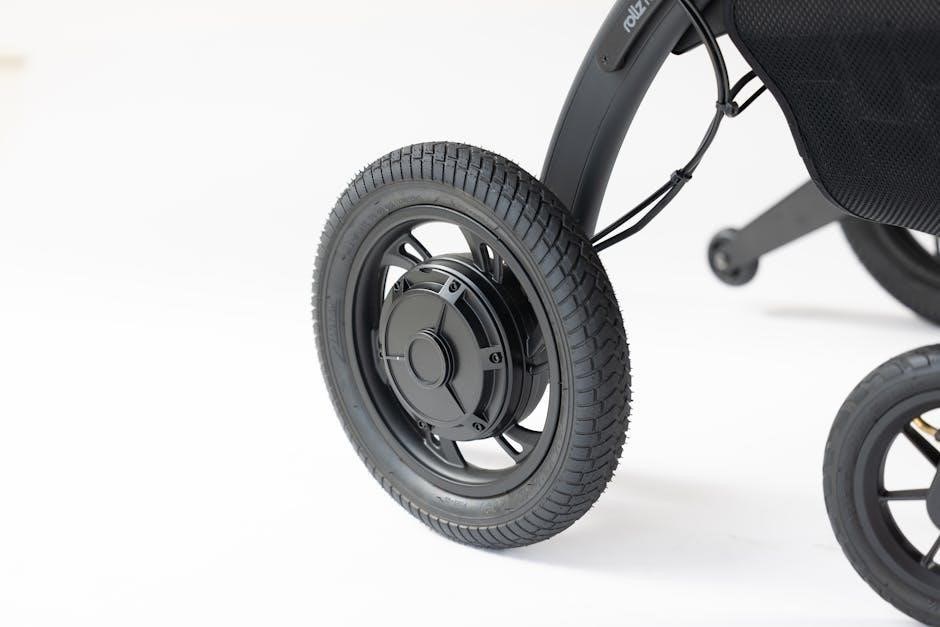
Bariatric wheelchairs necessitate specialized measurements to accommodate larger body sizes and increased weight capacity. Pediatric wheelchairs demand different scaling and adjustments for growing children. Tilt-in-space and reclining wheelchairs require measurements accounting for postural support needs. A comprehensive PDF guide will outline these variations, emphasizing that transit wheelchairs have specific width limitations (e.g., +130mm to seat width). Understanding these nuances, as detailed in a guide, is crucial for a proper fit and optimal functionality.

Key Wheelchair Dimensions
Essential dimensions—seat width, depth, height, backrest height, and armrest height—are fundamental to wheelchair fitting, detailed within a PDF guide for accuracy.
Seat Width Measurement
Determining the correct seat width is paramount for comfort and preventing pressure distribution issues. A wheelchair measurement guide PDF typically instructs measuring the widest point of the hips while seated in a firm chair, adding approximately 1-2 inches (2.5-5 cm) to this measurement.
This allowance accommodates clothing and prevents skin breakdown. It’s crucial to measure with the user wearing typical clothing. Standard seat widths often include 16, 18, and 20 inches, but individualized needs may require custom sizing.
Insufficient width can cause pressure on the hips, while excessive width hinders propulsion and maneuverability. The guide emphasizes measuring multiple times to ensure accuracy, as slight variations can significantly impact the fit. Consider the wheelchair environment and transfer needs when finalizing the seat width.
Seat Depth Measurement
Accurate seat depth measurement, detailed in a wheelchair measurement guide PDF, is vital for proper thigh support and preventing pressure ulcers. Measure from the back of the hip to the back of the knee, subtracting approximately 1-2 inches (2.5-5 cm).
This subtraction prevents pressure behind the knees, ensuring circulation. The user should be seated with their back against a vertical surface during measurement. Insufficient depth leads to hamstring pressure, while excessive depth restricts knee flexion and can hinder transfers.
A guide often recommends assessing the user’s posture and range of motion to determine the optimal depth. Consider the need for adjustable seat depth options for future accommodation. Multiple measurements are advised for consistency, and the chosen depth should allow for comfortable positioning.
Seat Height Measurement
Determining correct seat height, as outlined in a wheelchair measurement guide PDF, is crucial for foot propulsion, transfers, and overall comfort. Measure from the bottom of the buttocks to the sole of the foot, while the user is seated with shoes on.
Typically, a small gap (1-2 inches or 2.5-5 cm) between the seat and the bottom of the foot is recommended, allowing for foot movement during propulsion. Insufficient height hinders leg movement, while excessive height makes transfers difficult and compromises stability.
A guide emphasizes considering the user’s foot angle and the type of footwear typically worn. Adjustable seat height is beneficial, especially for users with fluctuating edema or varying activity levels. Accurate measurement ensures proper positioning and minimizes strain.
Backrest Height Measurement

A wheelchair measurement guide PDF stresses the importance of accurate backrest height for postural support and pressure distribution. Measure from the seat surface to the desired level of back support, typically at the acromion process (shoulder level) or the inferior angle of the scapula.
Consider the user’s trunk control and the need for lateral supports. Insufficient height compromises postural stability, while excessive height can restrict upper body movement. Adjustable backrests are highly recommended, allowing for customized support.
The guide highlights that backrest height should accommodate the user’s thoracic kyphosis and lumbar lordosis. Proper measurement minimizes fatigue and prevents pressure sores, enhancing comfort and functionality.
Armrest Height Measurement
A wheelchair measurement guide PDF emphasizes that correct armrest height is vital for upper limb support and efficient propulsion. With the user seated and shoulders relaxed, measure from the seat surface to the bottom of the armrest. The elbow should be flexed at approximately 90 degrees, supporting the forearm without shoulder elevation or depression.
Adjustable armrests are crucial, accommodating individual needs and variations in upper body dimensions. Insufficient height leads to shoulder strain, while excessive height hinders wheelchair maneuvering.
The guide notes that armrest height impacts transfer safety and overall comfort. Proper measurement minimizes fatigue and prevents upper extremity discomfort, promoting independence and functional mobility.

Taking Accurate Measurements
A wheelchair measurement guide PDF stresses precision; utilize appropriate tools and consistent techniques. Measurements should be taken with the user in a standardized position, seated correctly.
Tools Required for Measurement
A comprehensive wheelchair measurement guide PDF highlights essential tools for accurate assessments. A standard tape measure is fundamental, ensuring it’s flexible yet maintains its shape during measurements. A flat, firm surface is needed for seated measurements, ideally a chair without arms.
Consider a plumb bob or level to verify postural alignment, particularly for backrest angles. Calipers can be useful for precise measurements of bony prominences. A PDF guide often recommends a chair with adjustable height to simulate wheelchair seat height.
Furthermore, a writing utensil and the wheelchair measurement form itself are vital for recording data. Digital measurement tools, while not always necessary, can enhance accuracy and efficiency. Finally, appropriate clothing for the user – thin, non-bulky attire – is crucial for obtaining reliable dimensions, as detailed in many PDF resources.
Measuring with the User Seated
A wheelchair measurement guide PDF emphasizes seated measurements for optimal fit. Ensure the user is positioned with their feet flat on the floor or footplates, mimicking typical wheelchair use. Seat width is measured at the widest point of the hips, adding approximately 1-2 inches for comfort, as detailed in many guides.
Seat depth is determined from the back of the hip to the back of the knee, avoiding pressure behind the popliteal fossa. Seat height is measured from the bottom of the foot to the back of the thigh. Backrest height should support the trunk without compromising shoulder movement.
Crucially, the user should be in their usual seating posture; a PDF will often stress the importance of replicating daily positioning. Armrest height is measured from the seat surface to the bottom of the forearm, allowing for relaxed shoulders. Accurate measurements while seated are paramount for a functional and comfortable wheelchair.
Measuring with the User Not Seated
A wheelchair measurement guide PDF outlines procedures for measurements taken when the user isn’t seated, often necessary for initial assessments or when the user cannot maintain a seated position. Hip width is measured using a tape measure or specialized tool, ensuring accurate determination of required seat width. Thigh length, from ischial tuberosity to the back of the knee, dictates appropriate seat depth.
Shoulder width, measured across the acromion processes, influences overall wheelchair width requirements; Upper leg length, from ischial tuberosity to the heel, assists in determining appropriate footrest positioning. These measurements, detailed in PDF guides, are crucial for preliminary wheelchair selection.
Remember to account for clothing and potential postural deviations. While less precise than seated measurements, these provide a valuable starting point, especially when a PDF guide is followed diligently, ensuring a suitable initial fit.

Understanding Wheelchair Specifications
A wheelchair measurement guide PDF details crucial specs like total width, weight capacity, and caster/wheel sizes, impacting maneuverability and user safety.
Total Wheelchair Width
Determining total wheelchair width is paramount for navigating doorways and hallways, as detailed in a comprehensive wheelchair measurement guide PDF. This specification encompasses the chair’s overall dimension, including wheels, and is significantly impacted by seat width – typically adding 130mm (approximately 5 inches) for a transit wheelchair.
Accurate measurement prevents potential access issues within the user’s environment. The guide emphasizes adding approximately 2cm to account for winter clothing, ensuring year-round usability. Understanding this dimension is vital, especially when considering self-propulsion versus attendant propulsion, as wider chairs may require more space for maneuvering.
Furthermore, the frame design and caster size can subtly influence the overall width, necessitating careful consideration during the selection process. A PDF guide will often provide detailed diagrams and instructions for precise measurement, ensuring a proper fit and optimal functionality.
Wheelchair Weight Capacity
A crucial aspect detailed within any reliable wheelchair measurement guide PDF is understanding the wheelchair’s weight capacity. This specification dictates the maximum weight the chair can safely support, ensuring user safety and preventing damage to the chair’s components. Exceeding this limit compromises stability and structural integrity.
Weight capacities vary significantly between models, ranging from under 30 lbs for ultra-lightweight chairs to 45 lbs or more for heavier-duty options. The guide stresses matching the chair’s capacity to the user’s weight, plus any anticipated load like bags or accessories.

For individuals requiring bariatric wheelchairs, significantly higher weight capacities are available. A detailed PDF will clearly state the capacity and provide guidance on selecting a chair appropriate for the user’s needs, prioritizing both safety and comfort.
Caster and Wheel Size Considerations
A comprehensive wheelchair measurement guide PDF details how caster and wheel size impact maneuverability and ride quality. Casters, the smaller front wheels, influence turning radius and ease of navigation in tight spaces; larger casters generally offer improved obstacle-crossing ability.
Rear wheel size affects propulsion efficiency and stability. Smaller wheels require less force to propel but may struggle with uneven terrain. Larger wheels provide smoother rides and better momentum, ideal for outdoor use. The guide emphasizes considering the user’s environment.
Frame design and caster size can limit legrest angles, a point highlighted in many PDF resources. Selecting appropriate sizes, as outlined in the guide, ensures optimal positioning and comfort, accommodating individual needs and potential limitations like limited knee flexion.

Adjustments and Customization
A wheelchair measurement guide PDF often details adjustments for personalized comfort and function, including legrest and backrest modifications to optimize user positioning.
Legrest Adjustments and Measurement
Legrest adjustments are vital for proper lower limb support and circulation, frequently detailed within a comprehensive wheelchair measurement guide PDF. Accurate legrest length is determined by measuring from the popliteal fossa (back of the knee) to the heel, ensuring a few fingers’ width clearance.
PDF guides emphasize the importance of considering knee flexion; accommodating limited flexion requires careful adjustment to prevent pressure points. Adjustable legrests allow for customization based on individual needs and preferences, impacting posture and comfort.
Furthermore, the angle of the legrest, and consequently the footplate, plays a crucial role. Some PDF resources highlight how caster and frame design can limit certain legrest angle options. Proper legrest positioning minimizes fatigue and promotes efficient propulsion, contributing to overall wheelchair usability.
Footplate Angle and Positioning
Footplate angle and positioning are critical components detailed in a thorough wheelchair measurement guide PDF, directly impacting user comfort and biomechanics. Optimal positioning supports the feet, preventing pressure sores and promoting circulation. Adjustments cater to individual needs, including accommodating limited knee flexion, as highlighted in many PDF resources.
PDF guides often illustrate how varying footplate angles influence posture and propulsion efficiency. A neutral angle generally supports natural foot placement, while adjustments can address pronation or supination.
Furthermore, the PDF will explain that the size of the caster and the frame design can limit the range of achievable angles. Correct footplate positioning minimizes fatigue and maximizes the user’s ability to self-propel effectively, contributing to independence and overall wheelchair functionality.
Adjustable Backrest Features
Wheelchair measurement guide PDFs extensively cover adjustable backrest features, vital for postural support and pressure distribution. These features include height and angle adjustments, crucial for accommodating individual user needs and promoting optimal spinal alignment. Many PDF resources detail how backrest angle impacts sitting tolerance and functional reach.
Adjustable tension straps and lateral supports, often outlined in these PDF guides, provide customized trunk stability. Understanding these adjustments is key to preventing scoliosis or other postural deviations. The PDF will also explain how to select the appropriate backrest height based on the user’s torso length.
Furthermore, some backrests offer contouring options for enhanced comfort and pressure relief. Proper adjustment, as detailed in the PDF, maximizes user independence and minimizes the risk of skin breakdown.

Wheelchair Measurement Forms & Resources
Numerous wheelchair measurement forms and comprehensive PDF guides are readily available online, offering standardized templates and detailed instructions for accurate assessments.
Sample Wheelchair Measurement Forms
Accessing readily available sample wheelchair measurement forms is a vital step in ensuring a proper fit and maximizing user comfort and functionality. These forms, often found within comprehensive wheelchair measurement guide PDFs, typically include sections for documenting key dimensions such as seat width, seat depth, seat height, backrest height, and armrest height.
Detailed forms also often incorporate spaces to record information regarding cushion support surfaces, backrest support surfaces, and footplate measurements. Active Mobility Systems, for example, provides a form encompassing these critical areas. Meyrar’s measuring guide includes forms for determining overall wheelchair dimensions, push handle height, and relevant angles. Utilizing these standardized templates streamlines the assessment process and minimizes the risk of errors.
Furthermore, these forms frequently prompt clinicians to consider individual user needs and specific considerations, like limited knee flexion, ensuring a truly customized wheelchair prescription. Properly completed forms serve as a valuable record for future adjustments and modifications.
Online Wheelchair Measurement Guides (PDF)
Numerous online resources offer comprehensive wheelchair measurement guides in PDF format, providing detailed instructions and visual aids for accurate assessments. Netti Wheelchair offers a valuable guide focused on taking precise measurements for wheelchair prescriptions, emphasizing the importance of a correctly sized and fitted chair. These guides often detail how to measure with the user seated versus not seated, crucial for different assessment scenarios.
Meyrar provides a PDF measuring guide specifically for manual wheelchairs, outlining the determination of wheelchair dimensions and key angles. Many manufacturers and medical supply companies, like Med Mart, also offer downloadable guides, often accompanied by instructional videos demonstrating proper techniques. These resources frequently include sample measurement forms for easy documentation.
Accessing these PDF guides ensures clinicians and individuals have readily available, standardized information to optimize wheelchair fit and promote user independence.
Professional Assistance for Measurements
While numerous wheelchair measurement guides (often in PDF format) are available online, seeking professional assistance remains vital for complex cases or when self-measurement proves challenging. Qualified therapists possess the expertise to accurately assess individual needs, considering factors beyond basic dimensions, such as postural support requirements and functional goals.
Professionals can interpret measurements within the context of the user’s environment and activities, ensuring the wheelchair facilitates optimal participation. They are skilled in accommodating unique challenges like limited knee flexion or bariatric needs, often referencing manufacturer specifications and clinical guidelines.
Furthermore, a professional assessment can identify potential pressure risk areas and recommend appropriate cushioning and support surfaces. Utilizing their knowledge, they ensure the wheelchair prescription aligns with the user’s long-term health and well-being, going beyond the scope of a standard PDF guide.

Special Considerations
Specific populations—bariatric, pediatric, or those with limited knee flexion—demand tailored wheelchair measurement approaches, often detailed in specialized PDF guides, for optimal fit.
Measurements for Bariatric Wheelchairs
Bariatric wheelchair measurements necessitate careful consideration due to increased weight and body dimensions; a detailed PDF guide is essential. Standard sizing charts are often inadequate, requiring wider seat widths—potentially exceeding 20 inches—and increased weight capacities, often 500lbs or more.
Seat depth must accommodate the user’s thigh length without pressure on the popliteal area. Backrest height and width also require adjustment for proper support. Furthermore, robust frame construction and heavy-duty components are critical.
A PDF guide will typically emphasize measuring the widest point of the hips and adding 1-2 inches for comfort. Legrest length and angle adjustments are also vital, alongside verifying sufficient caster wheel size for stability. Always prioritize safety and support when selecting a bariatric wheelchair.
Measurements for Pediatric Wheelchairs
Pediatric wheelchair measurements differ significantly from adult sizing, demanding a specialized PDF guide for accurate fitting. Children’s growth necessitates frequent reassessments; a wheelchair must accommodate current needs and allow for future adjustments. Seat width is determined by hip breadth, adding allowances for clothing and growth.
Seat depth is crucial to prevent pressure sores and ensure proper posture, measured from the back of the hip to the popliteal fossa, minus an inch. Backrest height supports the trunk without restricting shoulder movement.
A PDF guide will highlight the importance of adjustable components—seat depth, backrest angle, and armrest height—to adapt to the child’s changing needs. Consider head support and pelvic positioning aids for optimal stability and comfort. Prioritize safety features and growth potential.
Accommodating Limited Knee Flexion
Limited knee flexion requires careful consideration during wheelchair measurement, as standard positioning can cause discomfort or pressure. A detailed PDF guide emphasizes the need to assess the degree of flexion and adjust legrest length accordingly. Shorter legrests prevent pressure behind the knee, while longer ones may encourage flexion.
Elevating the footplates can also alleviate pressure and promote a more natural position. The guide will illustrate how to adjust legrest angles to optimize comfort and support. Frame design and caster size can limit legrest angle options, so careful selection is vital.
Consider utilizing calf pads or specialized cushions to provide additional support and pressure distribution. Regular monitoring and adjustments are crucial to ensure continued comfort and prevent skin breakdown. A thorough assessment, guided by a PDF resource, is paramount.