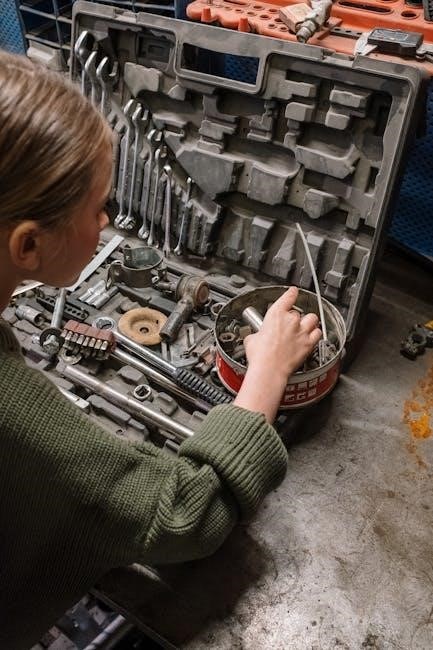
Converting a Nissan 240sx from automatic to manual is a popular modification, enhancing driver engagement and control. Forums and guides detail this process extensively.
Numerous resources, including YouTube tutorials and dedicated online communities, support enthusiasts undertaking this rewarding, albeit complex, automotive upgrade.
Overview of the Swap
The 240sx automatic to manual swap fundamentally replaces the existing automatic transmission with a five-speed manual system. This involves removing the automatic gearbox, torque converter, and associated components. Subsequently, installing a manual transmission, clutch assembly, flywheel, and a corresponding pedal assembly is crucial.
Furthermore, modifications to the wiring harness and potentially the Engine Control Unit (ECU) are often necessary to ensure compatibility. The driveshaft may also require adjustment or replacement to match the new transmission’s output flange. This swap isn’t merely a parts exchange; it’s a comprehensive system overhaul, demanding mechanical skill and attention to detail for a successful outcome.
Why Swap? Benefits of a Manual Transmission
Swapping to a manual transmission in a 240sx dramatically enhances the driving experience, offering greater driver control and engagement. Manual transmissions typically provide improved fuel efficiency compared to automatics, though this can vary. Moreover, a manual gearbox allows for precise gear selection, crucial for spirited driving and track performance;
The swap also unlocks the car’s full potential for modifications, as many performance upgrades are designed with manual transmissions in mind. Finally, enthusiasts often prefer the direct connection and tactile feedback a manual transmission provides, fostering a more immersive and enjoyable driving experience.

Parts Required for the Swap
Essential components include a transmission, pedal assembly, clutch kit, flywheel, wiring harness modifications, and potentially a driveshaft adjustment for compatibility.
Transmission Options (KA24DE)
For the KA24DE engine, the most common and direct swap is utilizing a 5-speed transmission sourced from another 240sx. Specifically, S14 5-speeds are frequently chosen due to their relative availability and straightforward fitment. However, sourcing one can be challenging, as noted in forum discussions.
Alternatives exist, though they may require additional modifications. Some enthusiasts explore transmissions from other Nissan vehicles, but compatibility needs careful verification. Considering the original poster’s difficulty finding a suitable transmission, researching broader options is crucial. Ensuring proper gear ratios for the KA24DE is also vital for optimal performance.
Pedal Assembly and Master Cylinder
A crucial component of the swap is acquiring a complete pedal assembly from a manual transmission 240sx. This includes the clutch pedal, brake pedal, and associated mounting hardware. Installing this assembly is essential for operating a manual transmission effectively.
Alongside the pedal assembly, a compatible master cylinder is required to actuate the clutch. Selecting the correct master cylinder ensures proper clutch engagement and disengagement. Proper installation and bleeding of the hydraulic clutch line are vital to avoid issues. Careful attention to detail during this stage prevents frustrating problems later on.
Clutch Kit Selection
Choosing the right clutch kit is paramount for a successful 240sx auto-to-manual swap. Kits typically include the pressure plate, clutch disc, throw-out bearing, and pilot bearing. Consider your driving style and power goals when selecting a kit.
For stock or mildly modified KA24DE engines, a standard replacement clutch kit is often sufficient. However, if you plan on increasing horsepower, a performance clutch with a higher clamping force is recommended. Upgrading the flywheel concurrently is also advisable for optimal performance and longevity.
Flywheel Considerations
When swapping to a manual transmission, the flywheel is a crucial component. Automatic transmissions utilize a flexplate, which is incompatible with a manual setup. You’ll need a flywheel specifically designed for the KA24DE engine and a manual transmission;
Flywheel weight impacts engine responsiveness and inertia. Lighter flywheels offer quicker revs but can make the car more sensitive and harder to drive smoothly. Heavier flywheels provide better low-end torque and smoother engagement, ideal for street use. Consider pairing your clutch kit with a flywheel matched to your driving style.
Wiring Harness and ECU Compatibility
The automatic and manual 240sx wiring harnesses differ significantly. You’ll need to address the reverse light switch wiring, as the automatic transmission’s signal is incompatible with a manual setup. Additionally, the ECU may require modification or reprogramming to eliminate automatic transmission-related error codes.
Some swaps involve utilizing a standalone ECU or piggyback system for optimal control and to address compatibility issues. Carefully review wiring diagrams and consider professional assistance if you’re unfamiliar with automotive electrical systems. Proper wiring is essential for a reliable and functional manual transmission conversion.
Driveshaft and Rear End Compatibility
When swapping to a manual transmission, the driveshaft length often needs adjustment. Automatic and manual transmissions have different output shaft lengths, impacting driveshaft fitment. You may need a custom-length driveshaft fabricated to ensure proper engagement with the rear differential.
The rear end itself generally remains compatible, but verifying the driveshaft flange compatibility is crucial; Inspect the rear differential for any signs of wear during the swap. Ensuring correct driveshaft length prevents vibrations and drivetrain damage, contributing to a smooth and reliable manual conversion.
Tools Needed for the Swap
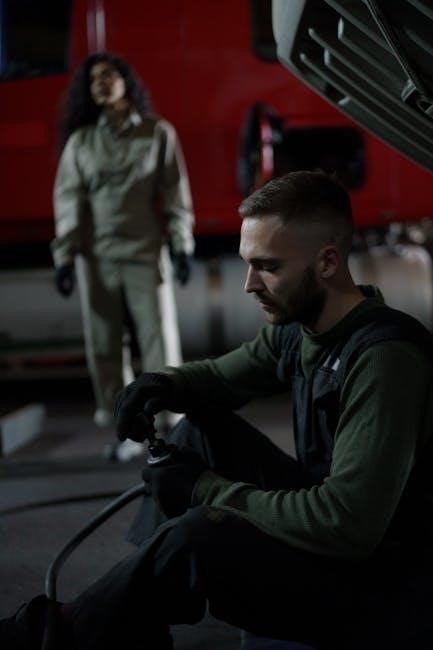
Successful completion requires standard mechanic tools, plus specialized pullers for removing components. Alignment tools are vital for proper clutch and transmission installation, ensuring smooth operation.
Essential Tools List
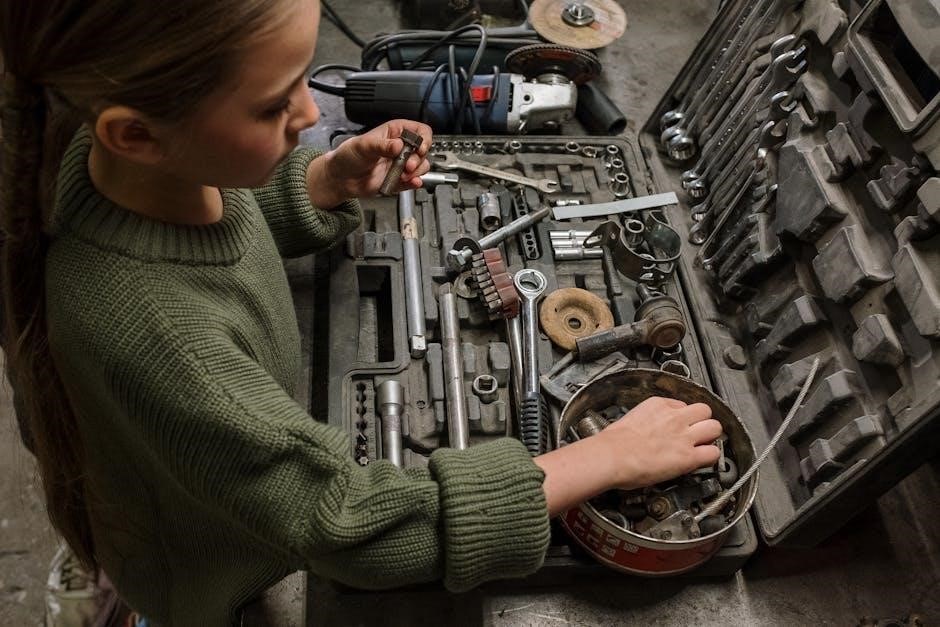
A comprehensive toolkit is paramount for a successful 240sx auto-to-manual swap. Begin with a full socket set, including metric sizes, and a variety of wrenches – both open-end and box-end. Torque wrenches are crucial for tightening bolts to the manufacturer’s specifications, preventing damage.
You’ll also need screwdrivers (Phillips and flathead), pliers, and a breaker bar for stubborn fasteners. Jack stands are non-negotiable for safety when the vehicle is lifted. A fluid drain pan is essential for handling transmission and differential fluids. Don’t forget penetrating oil to loosen rusted bolts, and safety glasses to protect your eyes throughout the process.
Specialty Tools (Pullers, Alignment Tools)
Beyond the basics, several specialty tools significantly ease the 240sx manual swap. A pilot bearing puller is vital for removing the old pilot bearing from the crankshaft. A clutch alignment tool ensures proper disc centering during installation, preventing shifting issues.
Transmission jack is highly recommended for safely lifting and positioning the manual transmission. A harmonic balancer puller might be needed if replacing the flywheel. Consider a slide hammer for removing stuck components. Having these tools streamlines the process and minimizes the risk of damaging parts during removal or installation.
Step-by-Step Swap Process
The conversion involves removing the automatic transmission, installing the manual, integrating wiring, and fitting the pedal assembly. Careful execution is crucial for success.
Removing the Automatic Transmission
Begin by safely lifting and securing the 240sx, ensuring proper support. Disconnect the driveshaft, being mindful of any residual fluid. Next, detach the shift linkage and electrical connectors from the automatic transmission.
Support the engine from above to prevent movement during transmission removal. Remove the exhaust system components obstructing access. Unbolt the transmission from the engine, carefully lowering it with a transmission jack.
Inspect the flexplate and torque converter for damage. Thoroughly clean the bellhousing surface on the engine block, preparing it for the manual transmission installation. Proper preparation minimizes potential issues later in the swap process.
Installing the Manual Transmission
Carefully align the manual transmission with the engine, utilizing a transmission jack for controlled lifting and positioning. Install a new clutch disc, pressure plate, and throw-out bearing, ensuring proper orientation.
Bolt the transmission securely to the engine, tightening bolts to the manufacturer’s specified torque. Reconnect the driveshaft, verifying proper alignment and securing it firmly. Install the new manual transmission shift linkage, adjusting for smooth gear engagement.
Double-check all connections and mounting points before lowering the vehicle. Confirm the clutch pedal feels correct and that all necessary components are securely fastened.
Wiring and ECU Integration
The automatic transmission wiring harness differs significantly from a manual setup, requiring modifications or a complete replacement. Disconnect the automatic transmission sensors and wiring, then integrate the manual transmission-specific wiring for the reverse switch and vehicle speed sensor.
ECU compatibility is crucial; some ECUs require reprogramming to function correctly with a manual transmission. Consider an aftermarket ECU or a re-tune to optimize performance and eliminate error codes.
Carefully trace and label all wires to avoid errors during the integration process, ensuring a reliable and functional manual transmission setup.
Pedal Assembly Installation
Installing a manual pedal assembly necessitates removing the automatic brake pedal and adding a clutch pedal. This often involves welding or bolting a new bracket to the existing pedal box structure, ensuring secure mounting.
Proper alignment is critical for smooth clutch engagement. Connect the new master cylinder to the clutch pedal, bleeding the system thoroughly to remove air bubbles. Verify full travel and proper function before proceeding.
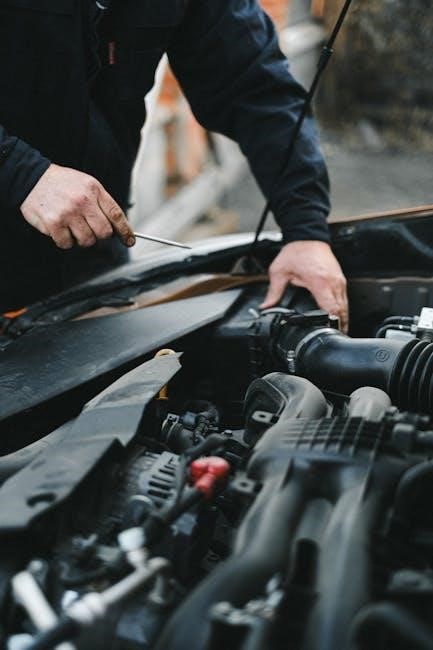
Double-check all connections and ensure the pedals operate freely without obstruction, contributing to a safe and enjoyable driving experience with the newly converted manual transmission.

Potential Issues and Troubleshooting
Common challenges include clutch engagement problems, wiring conflicts, and transmission compatibility issues. Careful diagnosis and utilizing online forums are key.
Common Problems Encountered
During a 240sx automatic to manual swap, several issues frequently arise. Clutch hydraulic systems can present leaks or require bleeding for proper function, impacting pedal feel. Wiring harness integration often leads to compatibility conflicts, potentially requiring custom solutions or ECU reflashing.
Transmission mounting can be problematic if components aren’t perfectly aligned, causing vibrations or damage. Driveshaft length discrepancies are also common, necessitating shortening or replacement. Finally, finding a compatible transmission, especially for older models, can prove difficult, extending project timelines and increasing costs.
Troubleshooting Clutch Issues
If experiencing clutch problems post-swap, begin by thoroughly bleeding the hydraulic system to eliminate air bubbles. A spongy pedal often indicates air within the lines. Check for leaks around the master cylinder and slave cylinder, addressing any found immediately.
Next, inspect the clutch disc for proper engagement and wear. Ensure the flywheel surface is clean and smooth. If slippage persists, verify the pressure plate is correctly installed and functioning. Incorrect clutch cable adjustment, if applicable, can also cause issues, requiring precise calibration.
Addressing Wiring Conflicts
During the 240sx auto-to-manual swap, wiring conflicts often arise due to the removal of the automatic transmission’s sensors and the addition of manual transmission-related components. Carefully review wiring diagrams to identify and disconnect unused automatic transmission wires.
Crucially, ensure the manual transmission’s reverse light switch is correctly wired to the appropriate circuit. The ECU may require reprogramming or modification to accommodate the manual transmission, resolving potential error codes. Thoroughly inspect all connections for proper grounding and insulation to prevent shorts.

Cost Breakdown of the Swap
The 240sx manual swap cost varies greatly, encompassing parts, labor, and unforeseen expenses. Budgeting $1,500 to $3,000 is typical, depending on component choices.
Parts Costs Estimate
Estimating parts costs for a 240sx auto-to-manual swap requires careful consideration. A used transmission, sourced from another S14, typically ranges from $500 to $1,200, depending on condition. A new clutch kit, including the disc, pressure plate, and throw-out bearing, can cost between $200 and $400.
The pedal assembly and master cylinder usually fall within the $300 to $600 range. A flywheel, if needed (some transmissions come with one), adds another $150 to $300. Don’t forget the driveshaft, potentially needing modification or replacement at $200-$500. Wiring harness adapters and ECU compatibility solutions can add $100-$300. These are approximate figures, and prices fluctuate.
Labor Costs (If Applicable)
If opting for professional installation, labor costs for a 240sx auto-to-manual swap can vary significantly. Expect a range of $800 to $1,500, depending on the shop’s hourly rate and the complexity encountered. Shops specializing in Nissan or performance vehicles may charge more.
The total time required typically falls between 16 to 24 hours, encompassing transmission removal, manual transmission installation, wiring, pedal assembly, and thorough testing. DIY installation eliminates labor costs but demands significant mechanical skill and time commitment. Always obtain detailed quotes from multiple shops before committing to professional installation.
Unexpected Expenses
During a 240sx auto-to-manual swap, anticipate potential unforeseen costs. Worn or damaged components discovered during disassembly, like rusted bolts or a failing clutch master cylinder, require replacement. Budget an extra $100-$300 for these surprises.
Additionally, modifications to the driveshaft may be necessary for perfect fitment, adding another $50-$150. Unexpected wiring issues or ECU compatibility problems could necessitate professional tuning, costing $200+. Having a contingency fund of $500-$1000 is prudent to cover these potential, yet common, unexpected expenses during the swap process.

Resources and Further Information
Online forums like 240sxforums.com and Reddit’s r/240sx offer invaluable support. YouTube provides visual guides, while Enjuku Racing lists swap parts.
Online Forums and Communities
Dedicated online communities are crucial for a successful 240sx auto-to-manual swap. 240sxforums.com provides a wealth of information, with threads detailing experiences, troubleshooting, and parts sourcing, like the one discussing transmission options for a 1995 S14.
Reddit’s r/240sx is another excellent resource, offering a platform for asking questions and receiving advice from experienced enthusiasts. These forums allow you to connect with individuals who have completed similar swaps, gaining insights into potential challenges and solutions. Sharing experiences and accessing collective knowledge significantly simplifies the process, preventing costly mistakes and ensuring a smoother transition.
YouTube Tutorials and Guides
Visual learners will find numerous YouTube tutorials invaluable during a 240sx auto-to-manual swap. A video available at youtube.com (video ID: dgsHU30E1j0), published in 2020, provides a comprehensive overview of the process, demonstrating key steps and techniques.
These guides offer a practical, step-by-step approach, complementing written instructions found on forums. Watching experienced mechanics perform the swap can clarify complex procedures and highlight potential pitfalls. Furthermore, these videos often showcase specific tools and parts, aiding in preparation and ensuring a more efficient and successful conversion.