
CCM Size Guide: A Comprehensive Overview (Updated 01/24/2026)
Navigating CCM skate sizing presents unique challenges, as personal preference and foot anatomy significantly impact optimal fit. Standard shoe size conversions frequently prove inaccurate, often resulting in ill-fitting skates.
Today is 01/24/2026 00:47:38 ()
Understanding the Challenges of Skate Sizing
Determining the correct skate size is notoriously difficult, differing greatly from standard shoe fitting. Individual preferences – some preferring a snug fit, others a looser one – coupled with variations in foot shape (width, volume) create significant hurdles. A person’s typical shoe size offers a poor starting point, as skate sizing doesn’t adhere to consistent conversion charts.
Many skaters find themselves in sizes drastically different from their everyday shoe size. For example, someone wearing a size 9-10 shoe might require a size 6 or 6.5 skate. This discrepancy highlights the unreliability of relying on generalized sizing guidelines provided by manufacturers like CCM, Bauer, True, and Graf.
The only truly reliable method is a professional in-store fitting, allowing for assessment of multiple models and sizes. Ignoring this step often leads to purchasing skates that are too large, compromising performance and comfort.
The Variability of Foot Shape and Preference
Human feet exhibit remarkable diversity in shape and size, significantly impacting skate fit. Beyond length, factors like width, instep height, and overall volume play crucial roles. Some individuals possess wider feet, while others have narrower ones, necessitating different skate models or heat-molding adjustments.
Personal preference further complicates the process. Some skaters favor a very tight, performance-oriented fit, maximizing energy transfer, while others prioritize comfort and prefer more room. This subjective element means there’s no universally “correct” size; it’s about finding what feels best for the individual.
Foot shape can also vary between feet, adding another layer of complexity. A skater might have one foot slightly larger or wider than the other, requiring customized fitting solutions. Ignoring these nuances can lead to discomfort, blisters, and reduced performance.
Why Standard Shoe Size Conversions Often Fail
Relying on standard shoe size conversions for skate sizing is frequently misleading. Shoe sizing systems vary significantly between brands and even different shoe types – boots, sneakers, and dress shoes don’t adhere to the same standards. This inherent inconsistency makes direct conversions unreliable.
Skate sizing demands a more precise approach. Skates need to provide a secure, locked-in fit to maximize performance and prevent injury, something a loosely-fitted shoe doesn’t require. The rigid shell and internal padding of a skate alter the fit characteristics dramatically.
The “1.5 sizes down” rule is a myth. While often cited, this guideline is a gross oversimplification. Individuals with wider feet, for example, may require significantly less reduction, or even a wider skate model altogether. You HAVE to try stuff on to get an idea.
CCM Skate Sizing: Key Considerations

Prioritize an in-store fitting whenever possible. Professional fitting ensures accurate measurement and allows you to experience the feel of different models. There is no standard for how people like their shoes to fit, so trying on is key.

Assess toe space critically. You should have a slight bend in your toes when standing, but avoid excessive room. Too much space can lead to heel lift and reduced control. Powerfoot inserts can address minor toe box excess, but significant space necessitates sizing down.
Heel lock is paramount. Your heel should be firmly secured within the skate, with minimal movement. Walk around and pay attention to your heel, ensuring it remains locked in place. A secure heel prevents blisters and maximizes energy transfer.
Remember the 2017 Jetspeed change. CCM altered Jetspeed sizing, so a 2015 size differs from a post-2017 equivalent.
The Importance of In-Store Fitting
A professional in-store fitting is the cornerstone of accurate CCM skate sizing. Relying solely on charts or conversions is often misleading due to individual foot variations and preferences. Some prefer a snug fit, while others favor more room, and foot shapes differ widely.
Experienced fitters can assess your foot’s length, width, and volume. They’ll observe your gait and identify potential pressure points. This personalized approach surpasses any generalized sizing guide. Trying on multiple models is crucial, as each CCM line (Jetspeed, Tacks, Ribcor) may fit differently.
Don’t rush the process. Spend ample time walking around the store in the skates, simulating skating movements. Pay close attention to heel lock and toe comfort. A proper fit enhances performance and prevents discomfort or injury.
The only way to really get sized properly is to go in store and try a bunch.
Assessing Toe Space and Heel Lock
Evaluating toe space is paramount for comfort and performance. You should have a minimal amount of space – enough to avoid constant toe contact, but not so much that your foot slides forward. Ideally, your toes should gently touch the end of the skate when standing upright and fully flexed.
Insufficient toe space restricts circulation and causes discomfort. Conversely, excessive space leads to reduced power transfer and control. Powerfoot inserts can address minor toe box excess, but significant gaps necessitate sizing down.
Heel lock is equally critical. Your heel should be firmly secured in the skate’s heel pocket, with minimal lifting during skating strides. A secure heel lock maximizes energy transfer and prevents blisters. If your heel lifts, try tightening the laces or exploring different tongue options.
Ensure it is completely locked in place.
CCM Jetspeed Sizing Changes (Post-2017)
CCM significantly altered the Jetspeed sizing in 2017, creating confusion for skaters upgrading or comparing models. A Jetspeed skate manufactured in 2015, sized as an 11D, will fit differently than a 11.5D Jetspeed produced after 2017.
This change stems from adjustments to the skate’s last and overall shape. CCM product managers confirmed this shift, emphasizing the need to re-evaluate sizing when transitioning between pre- and post-2017 Jetspeed iterations. Skaters often require a half-size increase to accommodate the new fit.
Understanding this distinction is crucial for accurate sizing. Referencing older sizing charts can lead to incorrect purchases. For current CCM and Bauer models, a size 11.5D is generally recommended, while True retail skates (TF7/TF9) often require an 11R for comparable length.
More details can be found here: https://modsquadhockey.com/forums/topic/71918-ccm-skate-sizing-what-changed-when/?dofindCommentcomment1087399
Comparing Jetspeed Sizes: Pre-2017 vs. Post-2017
The 2017 CCM Jetspeed sizing revision necessitates a direct comparison for skaters familiar with older models. Prior to 2017, a size 11D Jetspeed corresponded to a specific foot length. However, post-2017, that same foot length now fits comfortably into an 11.5D Jetspeed.
This half-size difference isn’t merely a numerical change; it reflects a fundamental alteration in the skate’s internal volume and shape. Skaters accustomed to a snug fit in pre-2017 Jetspeeds may find the equivalent post-2017 size feels roomier.
Therefore, when upgrading, adding a half-size is generally advised. Ignoring this shift can result in skates that feel too large, compromising performance and comfort. Always prioritize an in-store fitting to confirm the correct size, especially when transitioning between these generations of Jetspeed skates.
Refer to the CCM product manager’s comments: https://modsquadhockey.com/forums/topic/71918-ccm-skate-sizing-what-changed-when/?dofindCommentcomment1087399
Length Differences in CCM Jetspeed Models
Understanding length variations within the CCM Jetspeed line is crucial for achieving a precise fit. While the 2017 sizing change is significant, length discrepancies also exist between newer CCM and Bauer models, and when comparing to True skates.
Generally, for new CCM and Bauer skates, a size 11.5D is often required to match the length of a pre-2017 Jetspeed 11D. However, True retail skates (TF7/TF9) typically necessitate a size 11R to achieve comparable length. This highlights the importance of brand-specific sizing nuances.
These differences stem from variations in last shapes and internal volume. A seemingly equivalent size number can translate to a noticeable length difference. Prioritizing a professional fitting is paramount to ensure the skate length aligns with your foot’s measurements, maximizing comfort and performance on the ice.
CCM Skate Sizing for Different Skill Levels
Skate sizing isn’t a one-size-fits-all approach; it’s heavily influenced by a player’s skill level and skating style. Beginners often benefit from a slightly more forgiving fit, prioritizing comfort and ease of movement over a hyper-performance, locked-in feel.
For beginner skaters, a little extra room in the toe box can enhance comfort and allow for foot development. However, excessive space compromises energy transfer. Intermediate and advanced players, conversely, demand a precise, performance-oriented fit.

These skaters require minimal heel lift and maximum responsiveness. A snug fit, potentially achieved with Powerfoot inserts, is crucial for efficient power transfer and agility. Ultimately, the ideal fit depends on individual foot shape, preference, and the demands of their playing style.
Sizing for Beginner Skaters
When selecting CCM skates for new players, prioritizing comfort and a less aggressive fit is paramount. Beginners often lack the developed foot strength and skating technique to fully utilize a performance-focused, tightly fitted skate. A slightly more generous fit allows for greater comfort during the learning process.
Aim for a skate where the toes have a small amount of space, but aren’t excessively loose. This prevents discomfort and allows for natural foot movement as skills develop. Avoid a fit so tight that it causes pain or restricts circulation.
Remember, a comfortable skater is a more confident skater. While a precise fit is the ultimate goal, beginners should focus on finding a skate that feels good and allows them to enjoy learning the fundamentals without distraction.
Sizing for Intermediate/Advanced Players
Intermediate and advanced skaters demand a precise, performance-oriented fit from their CCM skates. These players typically have developed foot strength and skating technique, allowing them to benefit from a snug, responsive feel. Minimal space between the toes and the end of the skate is crucial for maximizing energy transfer and control.
A properly fitted skate will feel secure, with the heel locked firmly in place and no excessive movement within the boot. Players should be able to comfortably flex their ankles and maintain a strong skating posture. Utilizing Powerfoot inserts can help fine-tune the fit, addressing any minor gaps in the toe box.
Don’t rely on sizing charts; prioritize in-store fitting and thorough testing to ensure optimal performance and prevent discomfort during intense play.
CCM Lace Size Guide

Selecting the correct lace length is vital for a secure and comfortable skate fit. CCM laces come in various lengths, corresponding to different skate sizes. Using the wrong length can compromise performance and potentially lead to discomfort or injury.
Here’s a general guide based on skate size: For Youth sizes 8 to 1.5, an 72-inch lace is recommended. Junior sizes 2 to 3.5 require an 84-inch lace, while Junior sizes 4 to 5.5 benefit from a 96-inch lace. Senior sizes 6 to 8.5 utilize a 108-inch lace, and Senior sizes 9 to 11.5 need a 120-inch lace.
Larger Senior sizes, specifically size 12, require a 132-inch lace. Remember these are guidelines; personal preference and lacing technique can influence the ideal lace length.
Lace Lengths Corresponding to Skate Sizes
Precise lace length selection is crucial for optimal skate performance and comfort. A lace that’s too short restricts tightening, while one that’s too long creates bulk and potential tripping hazards. CCM provides a clear correlation between skate size and recommended lace length.
Specifically, Youth skates in size 8 to Junior 1.5 require a 72-inch lace. Moving up, Junior sizes 2 through 3.5 necessitate an 84-inch lace for adequate coverage. Junior skates ranging from size 4 to 5.5 perform best with a 96-inch lace.
For Senior skaters, sizes 6 to 8.5 utilize a 108-inch lace, while sizes 9 to 11.5 require a 120-inch lace. Finally, larger Senior skates, size 12 and above, demand a 132-inch lace to ensure complete lacing capacity.
Youth Skate Lace Sizes
Selecting the correct lace length for youth CCM skates is paramount for a secure and comfortable fit, directly impacting performance on the ice. Improper lace length can hinder effective tightening and potentially compromise safety.
For young skaters wearing Youth size 8 skates, a 72-inch lace is the recommended standard. As skaters progress to a Junior size 1.5, an 84-inch lace provides the necessary length for complete lacing. This ensures adequate coverage and allows for proper knot tying.
Continuing the progression, Junior size 2 through 3.5 skates require an 84-inch lace, offering sufficient length for secure fastening; Finally, for Junior sizes 4 up to 5.5, a 96-inch lace is the ideal choice, guaranteeing complete lacing coverage and a customized fit for growing feet.
Senior Skate Lace Sizes
Choosing the appropriate lace length is crucial for senior CCM skate owners, directly influencing the skate’s performance and the skater’s comfort. Incorrect lace length can lead to difficulties in achieving a secure, personalized fit, potentially impacting on-ice agility and control.
For senior skaters wearing skate sizes 6 through 8.5, a 108-inch lace is the standard recommendation. This length provides ample material for effective lacing and knot tying. Moving up in size, skaters wearing sizes 9 to 11.5 require a 120-inch lace to ensure complete coverage and a secure hold.
Finally, for those with larger feet, specifically size 12 senior skates, a 132-inch lace is necessary. This extended length guarantees sufficient material for proper lacing, even with thicker socks or customized footbeds, maximizing comfort and performance.

Using Powerfoot Inserts for Improved Fit

Powerfoot inserts represent a valuable solution for skaters experiencing excess space within the toe box of their CCM skates. These inserts effectively reduce volume, enhancing overall fit and improving energy transfer. They are particularly beneficial for individuals with lower-volume feet or those seeking a more precise, performance-oriented feel.
If you find that your toes are lifting excessively within the skate, or you’re experiencing heel lift despite tight lacing, Powerfoot inserts can bridge the gap. They come in various thicknesses, allowing for customized adjustments to achieve the ideal fit. Experimenting with different insert thicknesses is key to finding the optimal solution.
However, inserts shouldn’t be a substitute for proper sizing. If your toes are consistently brushing against the end of the skate even with inserts, downsizing is the recommended course of action. Inserts address volume, not length issues.
Addressing Excess Space in the Toe Box
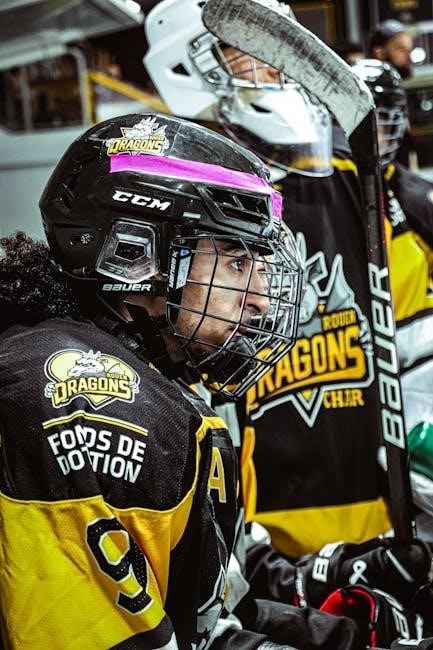
Excess space in the toe box is a common fitting issue with CCM skates, often leading to reduced performance and discomfort. This occurs when the skate’s volume exceeds the natural contours of the foot, causing slippage and diminished control. Addressing this space is crucial for maximizing energy transfer and responsiveness.
Several methods can mitigate excess toe box space. Beyond considering Powerfoot inserts – which effectively fill volume – heat molding can customize the skate’s shape to better conform to your foot. Proper lacing techniques, focusing on locking down the heel and mid-foot, also minimize movement within the skate.
However, remember that inserts and molding have limits. If you cannot comfortably brush your toes against the front of the skate, even after these adjustments, a smaller size is likely necessary. Prioritize a snug, secure fit over relying solely on inserts to compensate for a fundamentally incorrect size.
When to Consider Sizing Down
Determining when to size down in CCM skates requires careful assessment, as an overly large skate compromises performance and control. If, after trying on a skate and properly lacing it, you experience significant heel lift or excessive toe space, sizing down is a strong consideration.
Specifically, if your toes are unable to gently touch the front of the boot even when pushing forward, a smaller size is likely needed. Relying on thick socks or inserts to compensate for a length issue is not a long-term solution. A properly fitted skate should feel snug, but not constricting.
Remember that CCM Jetspeed sizing changed post-2017, meaning a size from before that year may not directly translate to a newer model. Always prioritize trying on skates and assessing the fit firsthand, rather than relying on conversion charts.
True Skate Sizing Comparison (Retail Models)
When comparing True skate sizing to CCM, particularly retail models like the TF7 and TF9, a notable difference emerges in length. Generally, a size 11D in newer CCM and Bauer skates corresponds roughly to a size 11R in True retail skates.
This discrepancy highlights the importance of understanding brand-specific sizing nuances. True skates often run slightly narrower and longer than their CCM counterparts. Therefore, individuals accustomed to a specific CCM size shouldn’t automatically assume the same size will fit in a True skate.
Always prioritize trying on True skates to ensure a proper fit, as relying solely on conversion charts can lead to inaccuracies. Consider the overall foot shape and volume when making a sizing decision, and don’t hesitate to experiment with different sizes to find the optimal feel.
True TF7/TF9 Sizing Relative to CCM
Understanding the sizing relationship between True TF7/TF9 skates and CCM models is crucial for accurate fit selection. Generally, a size 11D in current CCM Jetspeed or Bauer skates will likely translate to an 11R in True TF7 or TF9 retail models.
This isn’t a universal rule, however, and individual foot shapes play a significant role. True skates tend to have a more anatomical fit, potentially requiring adjustments based on foot width and volume. Those with wider feet might consider a wider True model, while those with narrower feet may find the standard width sufficient.
It’s highly recommended to try on True skates before purchasing, as sizing can vary. Don’t solely rely on conversion charts; prioritize a personalized fit assessment to ensure optimal performance and comfort on the ice.
Bauer Skate Sizing Comparison
When comparing CCM and Bauer skate sizing, similarities exist, but subtle differences necessitate careful consideration. A size 11D in newer CCM Jetspeed models often corresponds to an 11.5D in Bauer skates, reflecting a slight length variation between the brands.
However, individual foot characteristics heavily influence the ideal fit. Bauer skates are known for their accommodating fit, particularly in the heel and ankle areas. Individuals with narrower heels might find Bauer skates more secure, while those with wider feet may prefer CCM’s generally wider fit.
As with True skates, relying solely on conversion charts is discouraged. A professional in-store fitting is invaluable for determining the precise Bauer size that complements your foot shape and skating style, ensuring optimal comfort and performance.