
Navigating recovery requires a structured approach; accessing a comprehensive meniscus tear rehab protocol PDF is crucial for optimal healing and regaining function.
Adobe Acrobat Reader DC, readily downloadable, facilitates viewing and utilizing these essential rehabilitation guides effectively, supporting your journey.
Understanding the phases—acute, early, intermediate, and advanced—outlined in these protocols empowers informed participation and accelerates your return to activity.
Understanding the Meniscus and its Function
The menisci, two C-shaped pads of cartilage within the knee joint, are vital shock absorbers and stabilizers. They distribute weight, reducing stress on the bones and facilitating smooth movement. Understanding their function is paramount when reviewing a meniscus tear rehab protocol PDF, as rehabilitation aims to restore these capabilities.
These structures aren’t simply passive cushions; they contribute to joint congruity, enhancing stability during rotation and weight-bearing activities. A torn meniscus compromises this function, leading to pain, swelling, and limited range of motion.
Effective rehab protocols, often available as downloadable PDFs using programs like Adobe Acrobat Reader, focus on rebuilding strength and proprioception – the body’s awareness of its position in space – to compensate for the lost support. Recognizing the meniscus’s role clarifies why specific exercises are included in each phase of recovery, guiding a successful return to pre-injury activity levels.
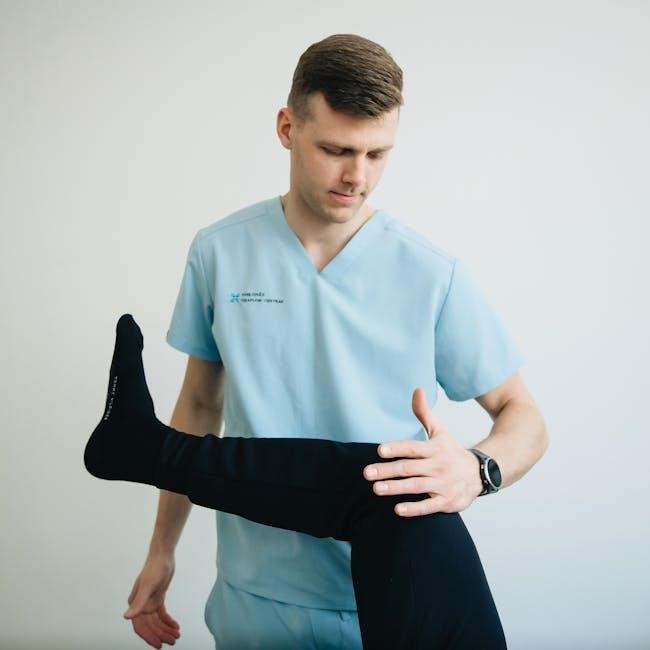
Causes of Meniscus Tears
Meniscus tears frequently occur during sports involving pivoting or twisting motions, like skiing or soccer, but can also result from everyday activities or even heavy lifting. Understanding the mechanism of injury is crucial when following a meniscus tear rehab protocol PDF, as it informs exercise selection and progression.
Degenerative tears, common with age, develop gradually as the cartilage weakens. Sudden, forceful impacts can also cause tears, particularly in younger individuals. A comprehensive rehab plan, viewable with software like Adobe Acrobat Reader, will address the specific tear type and contributing factors.
Regardless of the cause, a tear disrupts the knee’s normal mechanics. Protocols emphasize restoring stability and function, often incorporating strengthening and proprioceptive exercises. Identifying the cause helps tailor the rehab process for optimal outcomes and minimizes the risk of re-injury.
Types of Meniscus Tears
Meniscus tears aren’t uniform; their location, pattern, and severity dictate the rehabilitation approach. A detailed meniscus tear rehab protocol PDF will often categorize tears as radial, horizontal, or degenerative, each requiring nuanced treatment.
Radial tears originate in the inner meniscus and extend outwards, while horizontal tears split the meniscus along its width. Degenerative tears, common with age, are gradual cartilage breakdown. Understanding the tear type, often visualized through imaging, is vital for selecting appropriate exercises.
The specific protocol, easily accessed and reviewed using Adobe Acrobat Reader, will adjust based on tear characteristics. Some tears may necessitate surgical intervention, influencing the rehab timeline. Proper classification ensures targeted exercises, promoting optimal healing and restoring knee function.
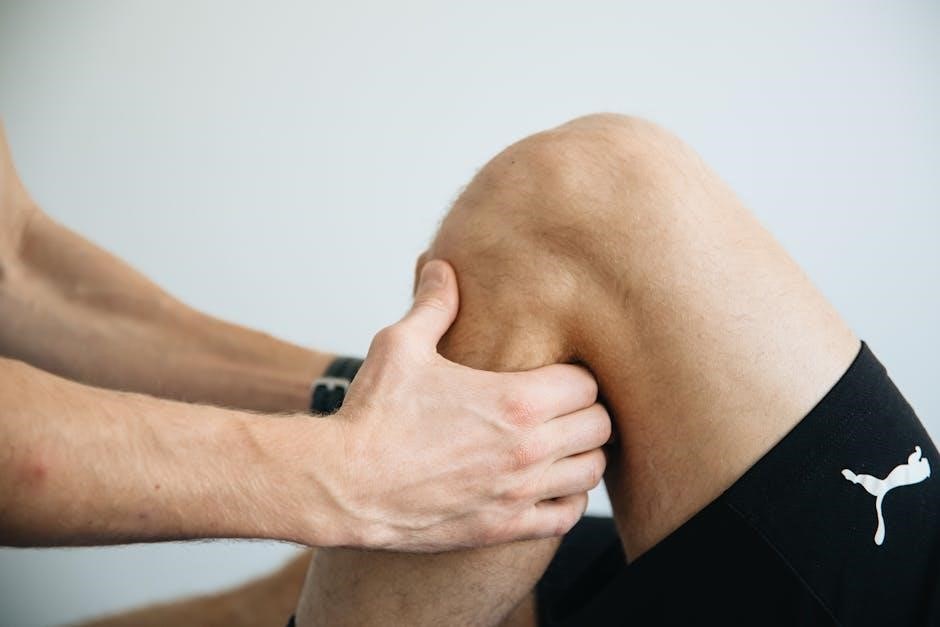
Phase 1: Acute Phase (0-2 Weeks)
Initial recovery, guided by a meniscus tear rehab protocol PDF, prioritizes reducing inflammation and pain; Adobe Reader aids in understanding these crucial first steps.
Goals of Phase 1
The primary objectives during the initial 0-2 week period, as detailed in a meniscus tear rehab protocol PDF, center around controlling pain and minimizing swelling. Utilizing resources like Adobe Acrobat Reader to access and understand these protocols is vital.
Protecting the injured knee is paramount, achieved through weight-bearing restrictions and potentially bracing. Early goals also include regaining a basic range of motion, avoiding further injury, and initiating gentle muscle activation exercises.
The focus isn’t on aggressive strengthening, but rather on establishing a foundation for later phases. A well-defined protocol, easily viewed with software like Adobe Acrobat, will outline specific exercises and precautions to prevent complications and promote optimal healing during this critical acute stage.
Ultimately, Phase 1 aims to prepare the knee for more intensive rehabilitation.
Pain and Swelling Management
A comprehensive meniscus tear rehab protocol PDF emphasizes the RICE protocol – Rest, Ice, Compression, and Elevation – as foundational for managing pain and swelling. Utilizing Adobe Acrobat Reader to access these detailed guides is essential.
Consistent icing, typically 20 minutes at a time, several times daily, is crucial, alongside compression bandages to minimize edema. Elevation above the heart further aids fluid drainage.
Pain medication, as prescribed by a physician, may be necessary, but should be used in conjunction with, not as a replacement for, physical therapy. The protocol will often detail appropriate pain scales to monitor progress.
Early control of these symptoms is vital for facilitating range of motion exercises and preventing chronic issues.
Adhering to the PDF’s guidance ensures a smoother recovery trajectory.
Range of Motion Exercises
A well-structured meniscus tear rehab protocol PDF details progressive range of motion (ROM) exercises, crucial for restoring knee flexibility. Utilizing Adobe Acrobat Reader allows easy access to these illustrated instructions.
Initially, gentle heel slides and quad sets are recommended to regain basic extension and flexion. These exercises should be performed pain-free, focusing on controlled movements.
As pain subsides, the protocol introduces more dynamic stretches, like stationary cycling with minimal resistance, to improve joint lubrication and ROM.
The PDF will specify repetition counts and sets, tailored to each phase of recovery.
Consistent adherence to these exercises, as outlined in the protocol, prevents stiffness and prepares the knee for strengthening.
Proper form, guided by the PDF, is paramount to avoid re-injury.
Weight-Bearing Restrictions

A detailed meniscus tear rehab protocol PDF clearly outlines weight-bearing restrictions, vital for protecting the healing meniscus. Accessing this information via Adobe Acrobat Reader ensures clarity.
Initially, the protocol often recommends partial weight-bearing using crutches, gradually increasing load as pain allows. The PDF specifies the permissible percentage of body weight.
The duration of these restrictions varies based on tear severity and surgical intervention (if any);
The protocol emphasizes proper gait mechanics to minimize stress on the knee joint during weight-bearing progression.
Ignoring these restrictions can impede healing and potentially worsen the tear.
The PDF provides guidance on transitioning from crutches to full weight-bearing, often incorporating functional exercises.
Strict adherence to the protocol’s weight-bearing guidelines is crucial for a successful recovery.
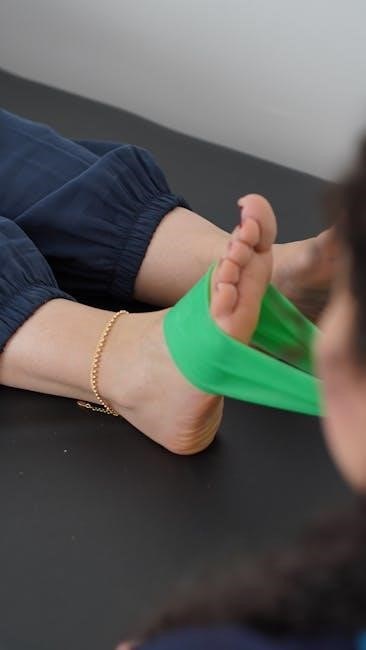
Phase 2: Early Rehabilitation (2-6 Weeks)
A meniscus tear rehab protocol PDF guides strengthening and proprioception exercises, crucial for regaining control and stability during this phase of recovery.
Goals of Phase 2
During weeks two to six, the primary focus, as detailed in a comprehensive meniscus tear rehab protocol PDF, shifts towards restoring more functional movement patterns. The overarching aim is to progressively increase strength in the muscles surrounding the knee – particularly the quadriceps and hamstrings – without exacerbating pain or swelling.
A key objective is improving proprioception, or the body’s awareness of its position in space. This is vital for regaining balance and coordination, reducing the risk of re-injury. Continued improvements in range of motion are also targeted, striving for full, pain-free knee extension and flexion.
The goal isn’t to return to full activity yet, but to build a solid foundation of strength, stability, and control, preparing the knee for the more demanding exercises of the intermediate phase. Adhering to the protocol’s guidelines ensures a safe and effective progression.
Strengthening Exercises (Quadriceps, Hamstrings)
A well-structured meniscus tear rehab protocol PDF will outline a progressive strengthening program, beginning with isometric exercises. These involve contracting the quadriceps and hamstrings without moving the knee joint, minimizing stress. As pain subsides, exercises like straight leg raises, hamstring curls (using resistance bands), and wall squats are introduced.
Focus is placed on controlled movements, emphasizing proper form over the amount of weight or resistance used. The protocol will likely detail specific sets and repetitions, gradually increasing the challenge as strength improves. Avoiding exercises that cause pain or clicking is crucial.
Strengthening both muscle groups equally is essential for balanced knee function and stability. This phase lays the groundwork for more advanced exercises in later stages of rehabilitation, promoting a full recovery.
Proprioception Exercises
A detailed meniscus tear rehab protocol PDF emphasizes proprioception – your body’s awareness of its position in space. Following a tear, this sense is often impaired, increasing re-injury risk. Exercises aim to retrain the knee’s neuromuscular control.
Initial exercises are simple: weight shifts, single-leg stance (holding onto support initially), and balance board/foam pad activities. The protocol will progress to more dynamic movements, like reaching while balancing or performing squats on unstable surfaces.
These exercises aren’t about building strength, but about improving the communication between your brain and knee joint. Consistent practice enhances stability and coordination, crucial for returning to sports or demanding activities.
Continued Range of Motion
A comprehensive meniscus tear rehab protocol PDF will consistently reinforce range of motion (ROM) exercises throughout the rehabilitation phases. While initial ROM work focuses on regaining lost movement, continued exercises prevent stiffness and maintain joint flexibility.
Expect to see instructions for heel slides, wall slides, and stationary cycling – all designed to gently move the knee through its full arc. The protocol will likely specify repetitions and sets, gradually increasing intensity as healing progresses.
Maintaining ROM is vital, even as strengthening exercises become more prominent. Limited motion can alter biomechanics, potentially leading to compensatory movements and increased stress on other joints.

Phase 3: Intermediate Rehabilitation (6-12 Weeks)
A detailed meniscus tear rehab protocol PDF guides progression to advanced strengthening, balance work, and low-impact cardio, building upon earlier gains.
Goals of Phase 3
During weeks 6-12 of rehabilitation, guided by a meniscus tear rehab protocol PDF, the primary focus shifts towards restoring near-normal knee function and preparing for more demanding activities. This phase aims to significantly improve strength, endurance, and neuromuscular control, building a solid foundation for a return to sport or higher-level function.
Key objectives include achieving full, pain-free range of motion, enhancing lower extremity strength to at least 80% of the unaffected leg, and improving proprioception – the body’s awareness of its position in space. Balance and coordination are also prioritized, with exercises designed to challenge stability and agility.
Importantly, this phase introduces low-impact cardiovascular exercise to improve overall fitness without excessively stressing the healing meniscus. The goal isn’t just to heal the tear, but to rebuild the surrounding musculature and restore functional movement patterns, minimizing the risk of re-injury. Following a structured protocol is paramount for safe and effective progression.
Advanced Strengthening Exercises
Phase 3, detailed within a meniscus tear rehab protocol PDF, introduces advanced strengthening to maximize lower limb power and stability. These exercises move beyond basic quadriceps and hamstring work, targeting functional movement patterns crucial for daily life and athletic endeavors.
Expect to incorporate exercises like single-leg squats, lunges (forward, reverse, lateral), step-ups onto varying heights, and plyometric drills (jump training) – progressing gradually based on tolerance. Resistance bands and free weights are utilized to increase the challenge, focusing on eccentric control – the muscle lengthening phase – which is vital for injury prevention.
Core strengthening remains essential, as a strong core provides a stable base for lower limb movements. Exercises like planks, side planks, and rotational movements are incorporated. The protocol emphasizes proper form and controlled movements to avoid re-injury and ensure optimal muscle activation.
Balance and Coordination Training
A comprehensive meniscus tear rehab protocol PDF will highlight the critical role of balance and coordination in restoring functional movement and preventing re-injury. Following a meniscus tear, proprioception – your body’s awareness of its position in space – is often impaired, necessitating targeted training.
Exercises progress from stable to unstable surfaces. Initially, focus on static balance exercises, holding a single-leg stance for increasing durations. Progress to dynamic balance activities, such as walking heel-to-toe or performing single-leg reaches in various directions.
Utilizing balance boards, wobble cushions, or foam pads further challenges stability. Coordination drills, like agility ladder work and cone drills, improve neuromuscular control and reaction time. The goal is to retrain the body to react quickly and efficiently to unexpected movements, minimizing the risk of future knee instability.
Low-Impact Cardiovascular Exercise
A well-structured meniscus tear rehab protocol PDF emphasizes the importance of maintaining cardiovascular fitness without exacerbating knee symptoms. Low-impact activities are crucial during the intermediate rehabilitation phase (6-12 weeks) to improve endurance and overall health.
Recommended exercises include cycling, swimming, and elliptical training. These modalities minimize stress on the healing meniscus while allowing for a controlled cardiovascular workout. Begin with short durations and low intensity, gradually increasing both as tolerated.
Avoid high-impact activities like running or jumping until cleared by a physical therapist. Monitoring pain levels is essential; any increase in discomfort signals the need to reduce intensity or modify the exercise. Maintaining cardiovascular health supports the healing process and prepares the knee for more demanding activities.
Phase 4: Advanced Rehabilitation & Return to Activity (12+ Weeks)
A detailed meniscus tear rehab protocol PDF guides sport-specific drills and agility work, ensuring a safe return to peak performance and preventing re-injury.
Goals of Phase 4
The primary focus of Phase 4, as detailed in a comprehensive meniscus tear rehab protocol PDF, is to facilitate a safe and confident return to pre-injury activity levels. This involves achieving full functional capacity, meaning the knee can withstand the demands of your specific sport or daily life without pain or instability.
Key objectives include maximizing strength, power, and endurance in the affected leg, replicating the movement patterns required for your chosen activities. Proprioception and neuromuscular control are refined, enhancing the knee’s ability to react to unexpected forces. A crucial goal is to minimize the risk of re-injury through progressive loading and sport-specific training.
The protocol PDF will outline specific criteria that must be met before returning to play, such as achieving a certain level of strength symmetry between legs and demonstrating adequate agility and coordination. Ultimately, Phase 4 aims to restore not just physical function, but also the athlete’s confidence in their knee.
Sport-Specific Training
A detailed meniscus tear rehab protocol PDF emphasizes that Phase 4 necessitates a transition to movements mirroring the demands of your particular sport or activity. This isn’t simply about general fitness; it’s about retraining the knee to handle the specific stresses it will encounter during gameplay or routine tasks.
For athletes, this might involve drills replicating cutting, pivoting, jumping, and landing, gradually increasing intensity and complexity. The protocol PDF will likely prescribe a progression of exercises, starting with controlled movements and advancing to more dynamic, game-like scenarios. For non-athletes, training focuses on simulating daily activities like squatting, lifting, and walking on uneven surfaces.
The goal is to build confidence and ensure the knee can handle the functional demands without pain or instability. Proper technique and controlled progression, as outlined in the PDF, are paramount to prevent re-injury.
Agility Drills
A comprehensive meniscus tear rehab protocol PDF will incorporate agility drills as a crucial component of Phase 4, focusing on restoring quickness, coordination, and reactive stability. These drills aren’t about speed initially; they’re about regaining control and confidence in multi-directional movements.
Expect exercises like cone drills, shuttle runs, and figure-eight patterns, progressively challenging the knee’s ability to change direction rapidly and efficiently. The PDF should detail specific progressions, starting with simple linear movements and advancing to more complex, unpredictable patterns.
Emphasis is placed on maintaining proper form and avoiding compensatory movements. Utilizing a meniscus tear rehab protocol PDF ensures a safe and effective progression, minimizing the risk of re-injury while maximizing functional recovery. These drills prepare the knee for the demands of daily life and sport.
Return-to-Play Criteria
A detailed meniscus tear rehab protocol PDF is essential for establishing objective return-to-play criteria, moving beyond simply feeling “better.” This phase, outlined in the PDF, prioritizes a safe and measured return to activity, minimizing re-injury risk.
Criteria typically include full, pain-free range of motion, symmetrical strength compared to the uninjured leg (assessed through specific tests detailed in the PDF), and successful completion of advanced agility drills. Proprioception and balance testing are also key components.
The PDF should specify functional tests, mimicking sport-specific movements, to ensure the knee can withstand the demands of competition. A gradual return to training, starting with low-intensity activities and progressively increasing load, is crucial. Adhering to these criteria, as outlined in the protocol, is paramount.
Important Considerations
A meniscus tear rehab protocol PDF highlights the crucial role of physical therapy, alongside informed decisions regarding surgical or non-surgical approaches to recovery.
Role of Physical Therapy
Physical therapy is absolutely central to a successful meniscus tear recovery, as detailed within a comprehensive meniscus tear rehab protocol PDF. A skilled physical therapist will conduct a thorough evaluation to pinpoint the specific nature of your tear, assess your functional limitations, and then craft a personalized rehabilitation program.
This program will progressively guide you through phases, starting with pain and swelling management, then advancing to range-of-motion exercises, strengthening, proprioception, and ultimately, functional training. The therapist will utilize manual techniques, therapeutic exercises, and modalities to optimize healing and restore knee function.
Crucially, they’ll monitor your progress, adjusting the protocol as needed, and educating you on proper form and self-management strategies. Adhering to the guidance within the PDF, and working closely with your therapist, maximizes your chances of a full and lasting recovery, minimizing the risk of re-injury and returning you to your desired activity level.
Surgical vs. Non-Surgical Management
The decision between surgical and non-surgical treatment for a meniscus tear significantly impacts the subsequent rehabilitation pathway, as outlined in a detailed meniscus tear rehab protocol PDF. Non-surgical management, often favored for certain tears, focuses on pain reduction, strengthening, and restoring function through conservative means.
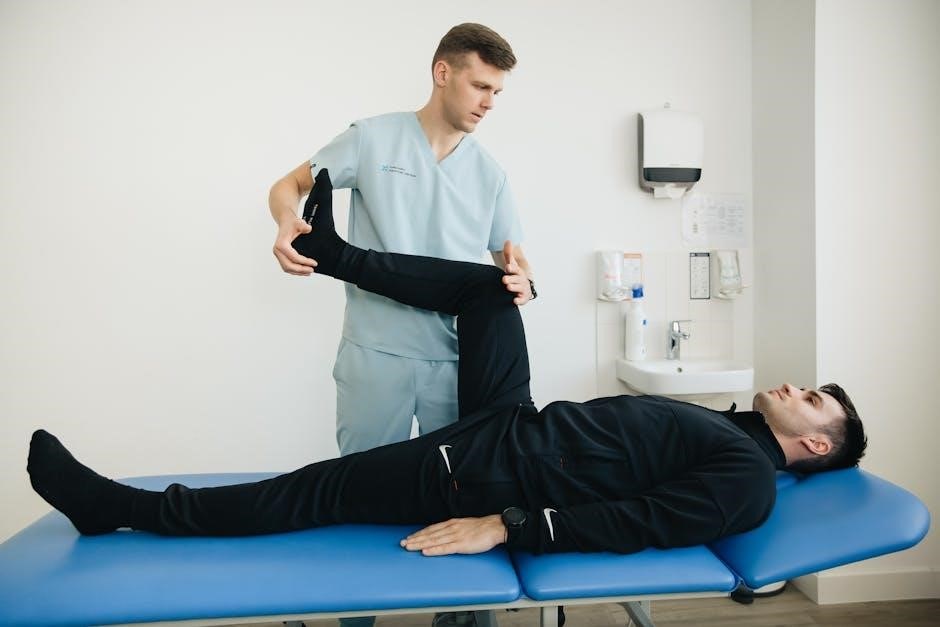
This approach, detailed within the PDF, emphasizes physical therapy, bracing, and activity modification. Surgery, typically reserved for more severe tears or those unresponsive to conservative treatment, involves repairing or removing the damaged meniscus.
Post-surgical rehab protocols, also found within the PDF, are more extensive, involving a phased progression of exercises and precautions to protect the repair. Understanding the nuances of each approach, and the corresponding rehab timelines, is vital for informed decision-making and achieving optimal outcomes, guided by your physician and physical therapist.
Potential Complications
While meniscus tear rehabilitation generally yields positive results, awareness of potential complications is crucial, as detailed within a comprehensive meniscus tear rehab protocol PDF. These can include persistent pain, stiffness, or limited range of motion despite adherence to the protocol.
Re-injury is another concern, particularly with a premature return to activity or inadequate strengthening. Post-surgical patients face risks like infection, blood clots, or failure of the repair, necessitating vigilant monitoring.
The PDF outlines warning signs requiring immediate medical attention, such as increased swelling, fever, or significant pain. Adhering to the prescribed progression, respecting pain signals, and maintaining open communication with your healthcare team are essential for mitigating these risks and ensuring a successful recovery.
Preventing Re-Injury
A well-structured meniscus tear rehab protocol PDF emphasizes strategies to minimize the risk of re-injury, extending beyond the initial healing phase. Consistent adherence to a long-term strengthening program, focusing on quadriceps, hamstrings, and core stability, is paramount.
Proprioceptive training, detailed within the PDF, enhances joint awareness and neuromuscular control, crucial for dynamic movements. Gradual return to sport-specific activities, guided by established criteria, prevents overloading the healing tissue.
Proper warm-up routines and appropriate footwear are also vital preventative measures. Maintaining optimal weight and avoiding high-impact activities when pain is present further reduces strain. Long-term commitment to these principles ensures lasting knee health and minimizes the likelihood of recurrence.

Resources & PDF Downloads
Accessing a reliable meniscus tear rehab protocol PDF is vital; utilize Adobe Acrobat Reader for seamless viewing and printing of these essential guides.
Finding a Reliable Meniscus Tear Rehab Protocol PDF
Locating a trustworthy meniscus tear rehab protocol PDF requires careful consideration, as quality varies significantly online. Begin your search with resources from reputable hospital systems, orthopedic clinics, and physical therapy associations – these often provide evidence-based protocols developed by specialists.
Look for PDFs detailing phased rehabilitation, encompassing acute, early, intermediate, and advanced stages. A comprehensive protocol will outline specific exercises, timelines, and progression criteria. Be wary of generic protocols lacking personalization; ideally, a protocol should be adaptable based on tear type and individual progress.
Ensure the PDF is current, reflecting the latest rehabilitation practices. Resources from 2024 or 2025 are preferable. Utilize search terms like “meniscus tear rehabilitation protocol PDF,” “knee meniscus rehab PDF,” or “[Your Location] orthopedic rehab PDF” to refine results. Remember to discuss any downloaded protocol with your physical therapist or surgeon before implementation.
Adobe Acrobat Reader for Viewing PDFs
To effectively utilize a meniscus tear rehab protocol PDF, you’ll need a reliable PDF viewer, and Adobe Acrobat Reader is the industry standard. It’s a free, globally trusted application available for Windows and macOS, enabling you to view, print, sign, and annotate PDFs seamlessly.
Acrobat Reader ensures accurate document rendering, crucial for interpreting exercise diagrams and instructions within your rehab protocol. The software supports interactive elements, allowing you to zoom, navigate pages, and utilize bookmarks for easy access to specific sections. Recent updates include collaborative features and enhanced security, addressing critical zero-day vulnerabilities.
Download the offline installer for a stable experience, especially if internet access is limited. Ensure you have the latest version to benefit from bug fixes and performance improvements. Acrobat Reader is essential for accessing and engaging with your meniscus tear rehabilitation guide.
Accessing Online Rehabilitation Programs
Beyond a static meniscus tear rehab protocol PDF, numerous online rehabilitation programs offer interactive guidance and support. These platforms often feature video demonstrations of exercises, personalized progress tracking, and communication with qualified physical therapists.
Many programs complement PDF protocols, providing a dynamic learning experience. They can be particularly beneficial for understanding proper form and technique, minimizing the risk of re-injury. Consider programs offering tailored plans based on tear type and severity.
While convenient, ensure the program is developed by reputable healthcare professionals. Look for evidence-based approaches and positive user reviews. These resources can supplement your recovery, but shouldn’t replace professional medical advice. Always discuss online programs with your doctor or physical therapist before starting.